
Cybersecurity Governance, Risk, and Compliance (GRC), Training and Awareness: Building a Secure and Resilient Organization
In today’s interconnected world, where cyber threats are becoming increasingly sophisticated and pervasive, organizations need a comprehensive approach to cybersecurity that goes beyond simply implementing technical controls. A robust cybersecurity program requires a strong foundation in Governance, Risk, and Compliance (GRC), coupled with effective Training and Awareness initiatives. This page provides a detailed guide to these critical elements, outlining best practices and key considerations for building a secure and resilient organization.
1. Cybersecurity Governance

Cybersecurity governance refers to the framework of policies, processes, and structures that an organization establishes to manage and mitigate cyber risks. It provides a foundation for ensuring that cybersecurity activities are aligned with business objectives, legal and regulatory requirements, and industry best practices.
Key Elements of Cybersecurity Governance
- Leadership and Accountability: Establish clear roles and responsibilities for cybersecurity, with senior management taking ownership and providing oversight.
- Policies and Procedures: Develop and implement comprehensive cybersecurity policies and procedures that address all aspects of cybersecurity, from data protection to incident response.
- Risk Management: Implement a robust risk management framework to identify, assess, and mitigate cyber risks.
- Compliance: Ensure compliance with relevant laws, regulations, and industry standards, such as GDPR, HIPAA, and PCI DSS.
- Resource Management: Allocate adequate resources, including budget, personnel, and technology, to support cybersecurity initiatives.
- Performance Measurement: Establish metrics and reporting mechanisms to track the effectiveness of cybersecurity controls and identify areas for improvement.
Best Practices for Cybersecurity Governance
- Establish a Cybersecurity Steering Committee: A cross-functional committee that provides oversight and guidance for cybersecurity initiatives.
- Develop a Cybersecurity Charter: A document that outlines the organization’s cybersecurity mission, vision, and objectives.
- Conduct Regular Risk Assessments: Regularly assess and update the organization’s risk profile to ensure that security controls are aligned with evolving threats.
- Implement a Cybersecurity Framework: Adopt a recognized cybersecurity framework, such as NIST Cybersecurity Framework, CIS Controls, or ISO 27001, to provide a structured approach to cybersecurity governance.
- Communicate Effectively: Communicate cybersecurity policies, procedures, and expectations to all employees and stakeholders.
2. Cybersecurity Risk Management
Cybersecurity risk management is the process of identifying, assessing, and mitigating cyber risks to an acceptable level. It involves a continuous cycle of identifying potential threats and vulnerabilities, evaluating their likelihood and impact, and implementing appropriate security controls.
Key Steps in Cybersecurity Risk Management
- Risk Identification: Identify potential threats and vulnerabilities that could affect the organization.
- Risk Assessment: Evaluate the likelihood and impact of each identified risk.
- Risk Mitigation: Develop and implement security controls to reduce the likelihood or impact of risks.
- Risk Monitoring: Continuously monitor the effectiveness of security controls and update the risk assessment as needed.
Risk Management Methodologies
- Qualitative Risk Assessment: Relies on expert judgment and qualitative analysis to assess the likelihood and impact of risks.
- Quantitative Risk Assessment: Uses numerical data and statistical analysis to quantify the financial impact of potential risks.
- Semi-Quantitative Risk Assessment: Combines elements of both qualitative and quantitative approaches.
3. Cybersecurity Compliance
Cybersecurity compliance refers to adhering to relevant laws, regulations, and industry standards that govern the collection, use, and protection of data. Compliance is essential for protecting sensitive information, maintaining customer trust, and avoiding legal penalties.
Key Compliance Requirements
- Data Protection Regulations: GDPR, CCPA, HIPAA, and other data protection laws that govern the collection, use, and disclosure of personal data.
- Industry Standards: PCI DSS, ISO 27001, and other industry standards that provide guidelines for cybersecurity best practices.
- Contractual Obligations: Compliance with cybersecurity requirements outlined in contracts with customers, partners, and vendors.
Best Practices for Cybersecurity Compliance
- Conduct Regular Compliance Audits: Regularly assess the organization’s compliance with relevant regulations and standards.
- Implement a Compliance Management System: Establish a system for managing compliance requirements, including policies, procedures, and documentation.
- Stay Up-to-Date with Regulatory Changes: Monitor changes in laws and regulations to ensure ongoing compliance.
- Provide Compliance Training: Train employees on relevant compliance requirements and their responsibilities.
4. Cybersecurity Training and Awareness
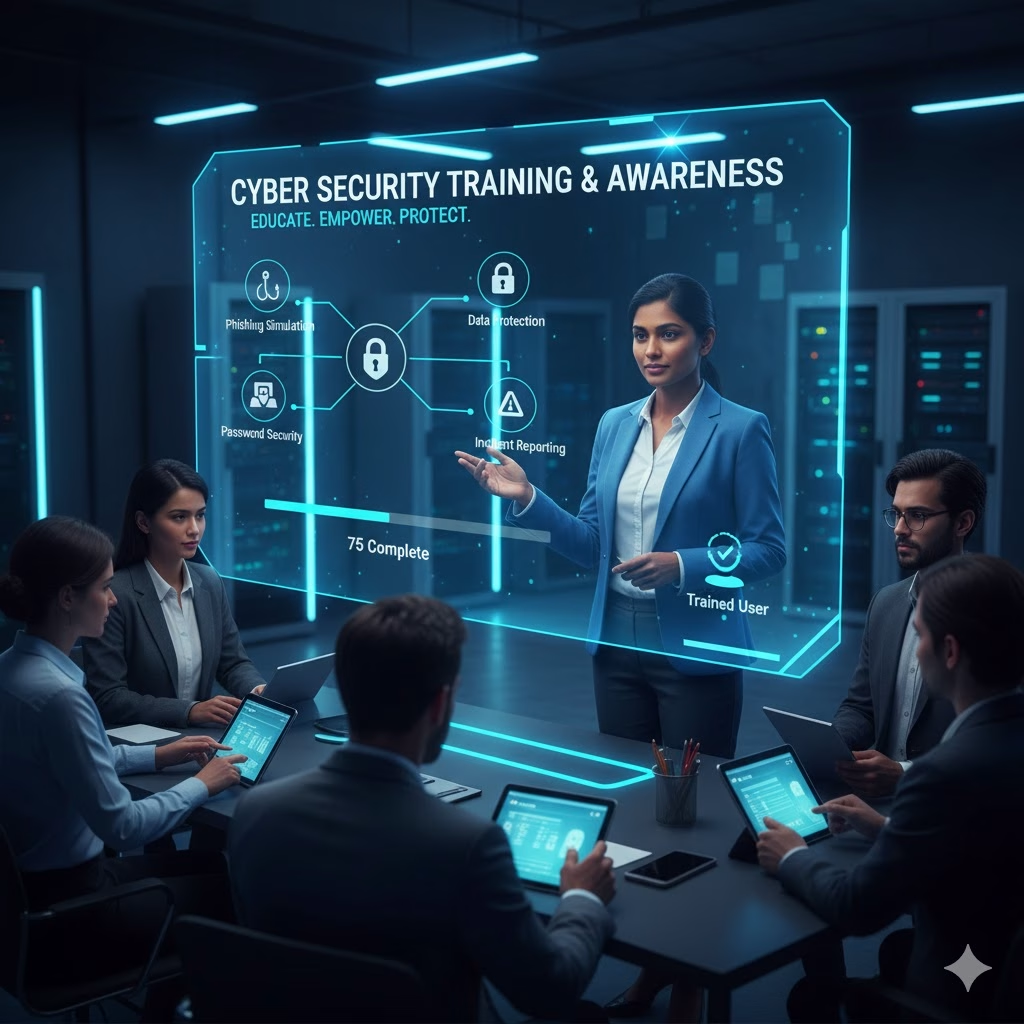
Cybersecurity training and awareness initiatives are crucial for educating employees about cyber threats, best practices, and their role in protecting the organization’s assets. Effective training and awareness programs can significantly reduce the risk of human error and strengthen the organization’s overall security posture.
Key Elements of Cybersecurity Training and Awareness
- Security Awareness Training: Educate employees about common cyber threats, such as phishing scams, malware, and social engineering attacks.
- Security Best Practices Training: Train employees on cybersecurity best practices, such as creating strong passwords, recognizing suspicious emails, and practicing safe browsing habits.
- Incident Reporting Procedures: Ensure employees know how to report security incidents and suspicious activity.
- Policy and Procedure Training: Train employees on relevant cybersecurity policies and procedures.
- Regular Awareness Campaigns: Conduct regular awareness campaigns to reinforce key cybersecurity messages and keep security top of mind.
Best Practices for Cybersecurity Training and Awareness
- Tailor Training to Different Roles: Provide customized training based on employees’ roles and responsibilities.
- Use Engaging and Interactive Content: Use a variety of training methods, such as videos, simulations, and gamification, to keep employees engaged.
- Conduct Regular Phishing Simulations: Simulate phishing attacks to test employee awareness and identify areas for improvement.
- Provide Ongoing Reinforcement: Reinforce key cybersecurity messages through regular communication channels, such as newsletters, posters, and intranet articles.
- Measure Training Effectiveness: Track training completion rates and assess employee knowledge through quizzes and surveys.
Conclusion
Cybersecurity governance, risk, and compliance, along with effective training and awareness initiatives, are essential for building a secure and resilient organization. By implementing these best practices and fostering a culture of cybersecurity, organizations can protect their valuable assets, maintain customer trust, and ensure their continued success in the digital age. Remember, cybersecurity is a shared responsibility that requires the active participation of everyone in the organization. By working together and staying vigilant, we can create a safer and more secure digital world.