
Welcome to Eden Kandinsky (Maritime) – Your Partner in Maritime Cybersecurity
Eden Kandinsky (Maritime) is your dedicated resource for comprehensive maritime cybersecurity solutions. In an increasingly connected world, the maritime sector faces unique and evolving cyber threats. From navigation systems to cargo management, protecting your digital assets is paramount to operational continuity, safety, and compliance.
At Eden Kandinsky (Maritime), we understand the critical infrastructure and complex regulatory landscape of the maritime industry. Our expertise is focused on providing robust cybersecurity strategies, proactive threat intelligence, and resilient defense mechanisms tailored specifically for vessels, ports, and maritime organizations.
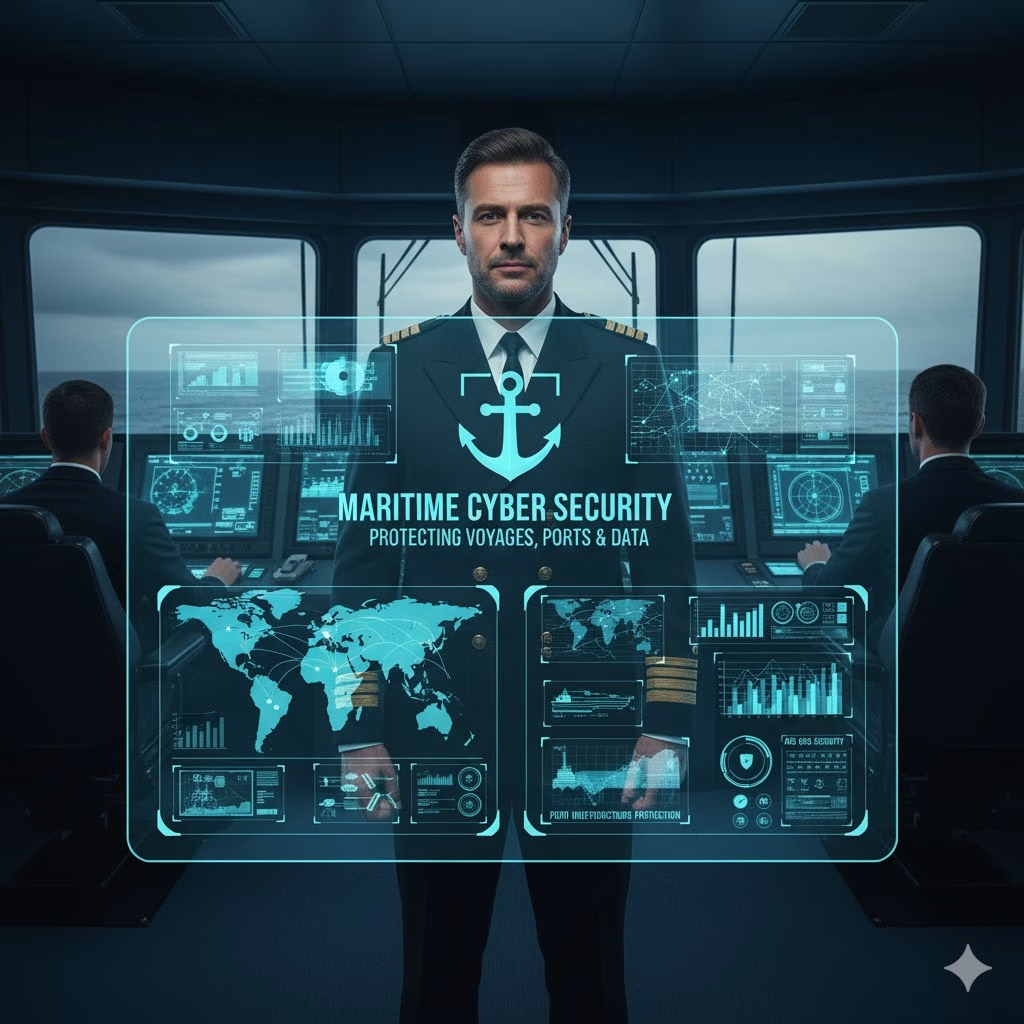
Why Maritime Cybersecurity Matters
- Operational Resilience: Prevent disruptions to critical systems like ECDIS, propulsion, and communication.
- Safety of Life at Sea: Protect against cyber-attacks that could compromise vessel safety and crew well-being.
- Regulatory Compliance: Meet international standards and regulations (e.g., IMO 2021, NIST, ISO 27001).
- Data Integrity: Secure sensitive operational data, cargo information, and proprietary intelligence.
- Reputation Protection: Safeguard your brand and maintain trust within the global maritime community.
Maritime cybersecurity matters because of the increasing digitization of the shipping industry, which has created new vulnerabilities that malicious actors can exploit to disrupt global trade, cause environmental damage, or even endanger human lives. Securing maritime systems isn’t just about protecting data; it’s about safeguarding the physical world.
Key Threats to Maritime Systems
The vulnerabilities in maritime systems can be exploited in several ways:
- Navigation System Manipulation: A hacker could spoof or jam a vessel’s GPS and AIS (Automatic Identification System) signals, causing ships to collide, run aground, or deviate from their intended course. A successful attack on a large tanker could lead to a catastrophic oil spill.
- Cargo and Port Operations Disruption: Cybercriminals could target the software controlling port logistics, causing massive delays, disrupting supply chains, and resulting in significant financial losses. In 2017, the NotPetya ransomware attack crippled the operations of Maersk, one of the world’s largest shipping companies, causing losses of hundreds of millions of dollars.
- Safety and Environmental Risks: Hacking a vessel’s engine management systems or ballast water controls could lead to propulsion failure, fire, or environmental damage. A compromised system could also be used to endanger the crew.
- Espionage and Data Theft: Nation-states and corporations may target maritime systems to steal sensitive commercial data, such as cargo manifests, trade routes, and intellectual property related to vessel design.
Explore our services to learn how we can help you navigate the complex waters of maritime cybersecurity. Please note Eden Kandinsky (Maritime) is also known as DC13 (Maritime) in the United Kingdom.